An Assamese Vaishnavite monastic and cultural institution.
Sattriya Dance
AMAYAA Knowledge Centre
Sattriya Dance:
Assam’s living classical tradition.
Explore the history, movement, costume, music and cultural meaning of an art form shaped in Assam’s Vaishnavite sattras and carried forward by generations of practitioners.
What Is Sattriya Dance?
A complete performance tradition from Assam.
Sattriya is one of India’s principal classical dance traditions. It developed within the sattras—Vaishnavite monastic institutions of Assam—as part of a wider practice that brings together dance, music and dramatic storytelling.
The form includes pure dance, expressive interpretation and dramatic presentation. Training commonly begins with Mati Akhara, foundational exercises that develop balance, flexibility, coordination and control.
NrittaAbstract rhythmic dance
NrityaExpressive interpretation
NatyaDramatic storytelling
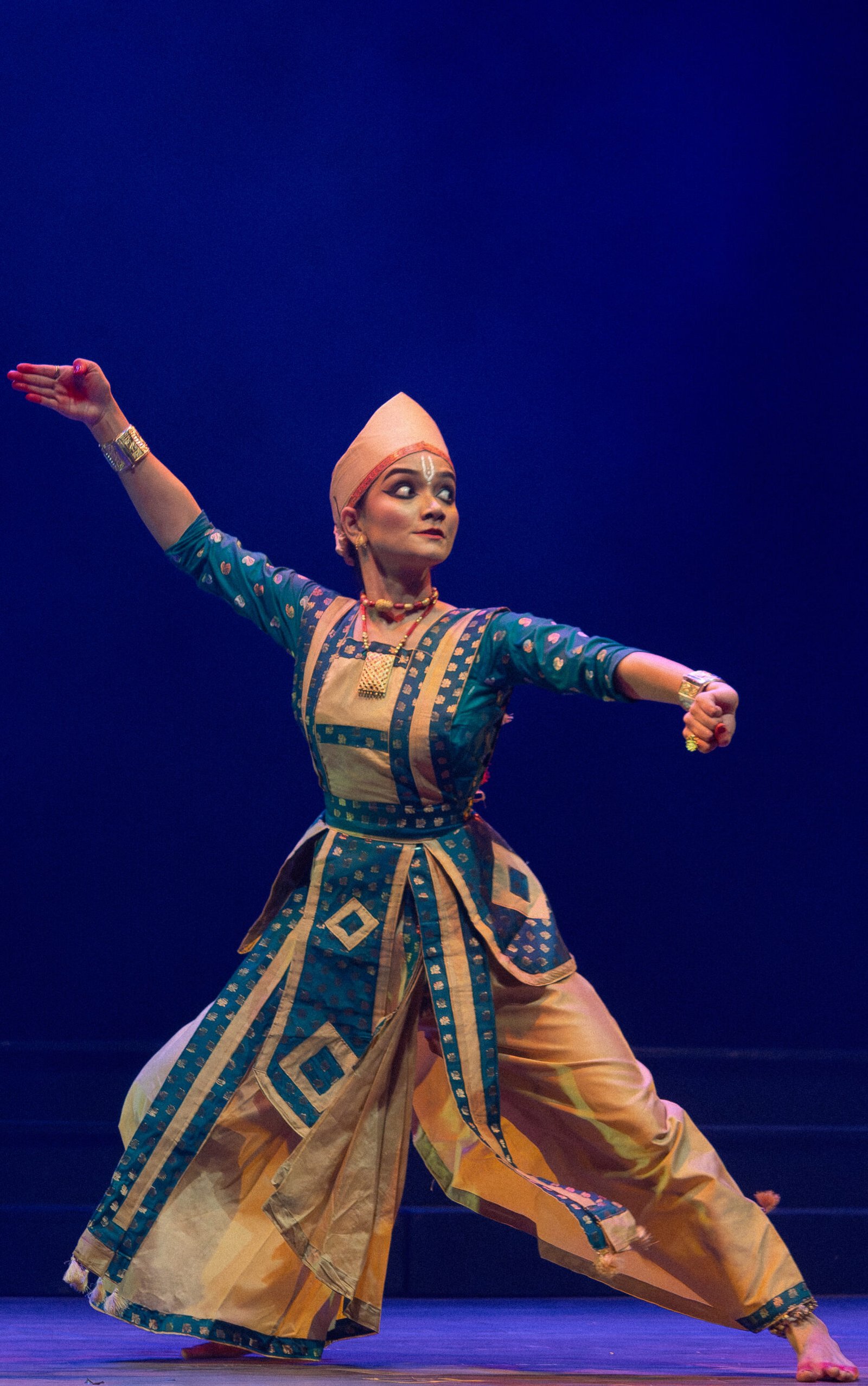
From sattra to stageA tradition with living roots
History and Origin
Born from a cultural and devotional movement.
Sattriya took shape in the neo-Vaishnavite movement associated with the 15th–16th century saint, poet and social reformer Srimanta Sankardeva. It became integral to Ankiya Naat and Bhaona, forms of devotional theatre.
For centuries, it was nurtured primarily within Assam’s sattras. Today, it is performed worldwide while remaining deeply connected to Assam.
- 15–16CDevelopment within Sankardeva’s neo-Vaishnavite movement.
- SATTRASMonastic institutions preserved repertoire, music and theatre.
- TODAYPractised internationally with living Assamese roots.
Costumes and Jewellery
The stage dressed in Assam’s textile heritage.
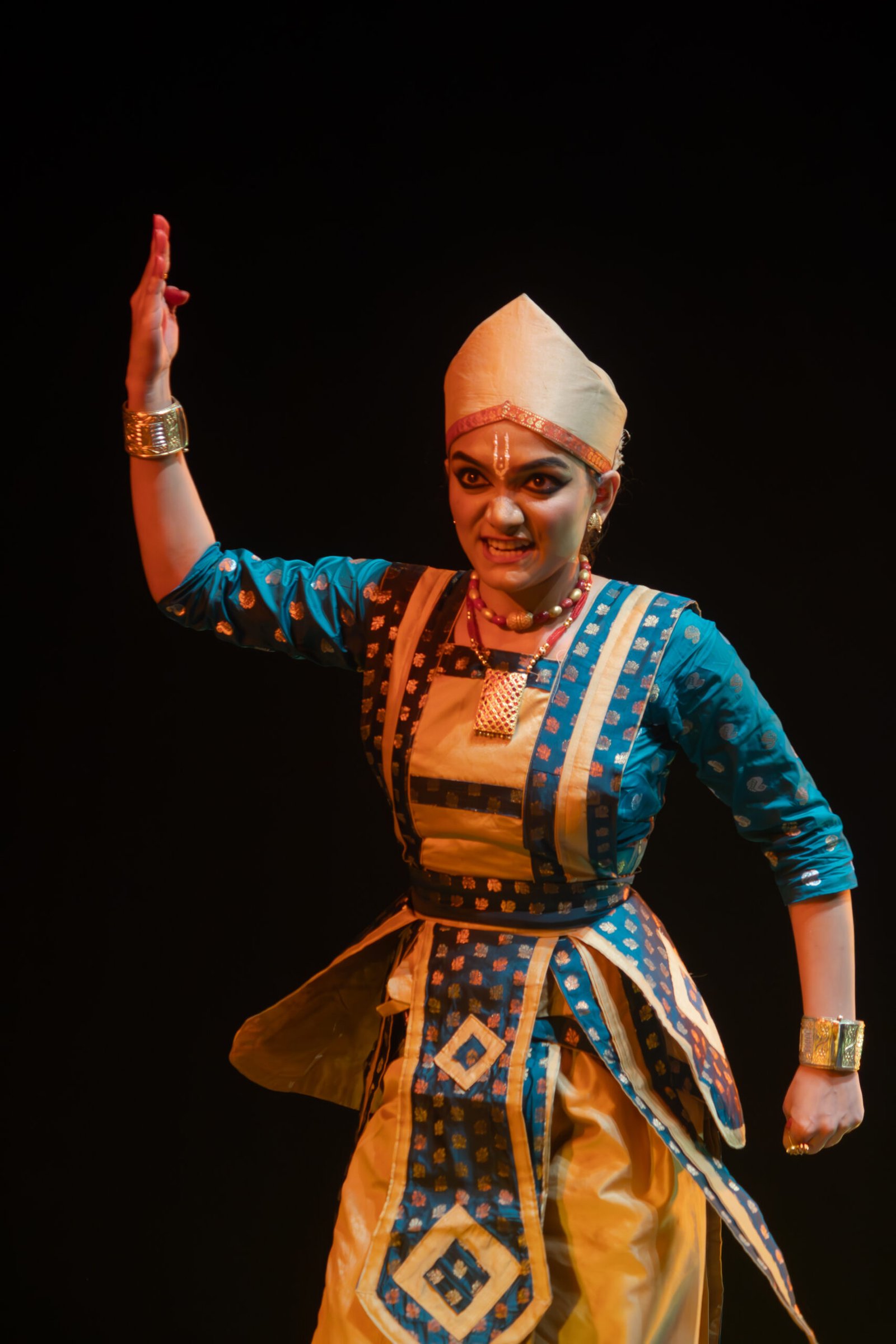
Sattriya costume is recognised for dignified silhouettes, woven detail and restrained luminosity. Assamese silk, including pat and muga, is often used to create a graceful and structured stage ensemble.
Jewellery, textile patterns, make-up and costume details help communicate character, mood and the cultural setting of each performance.
Costume is not decoration alone—it helps communicate role, emotion and cultural identity.
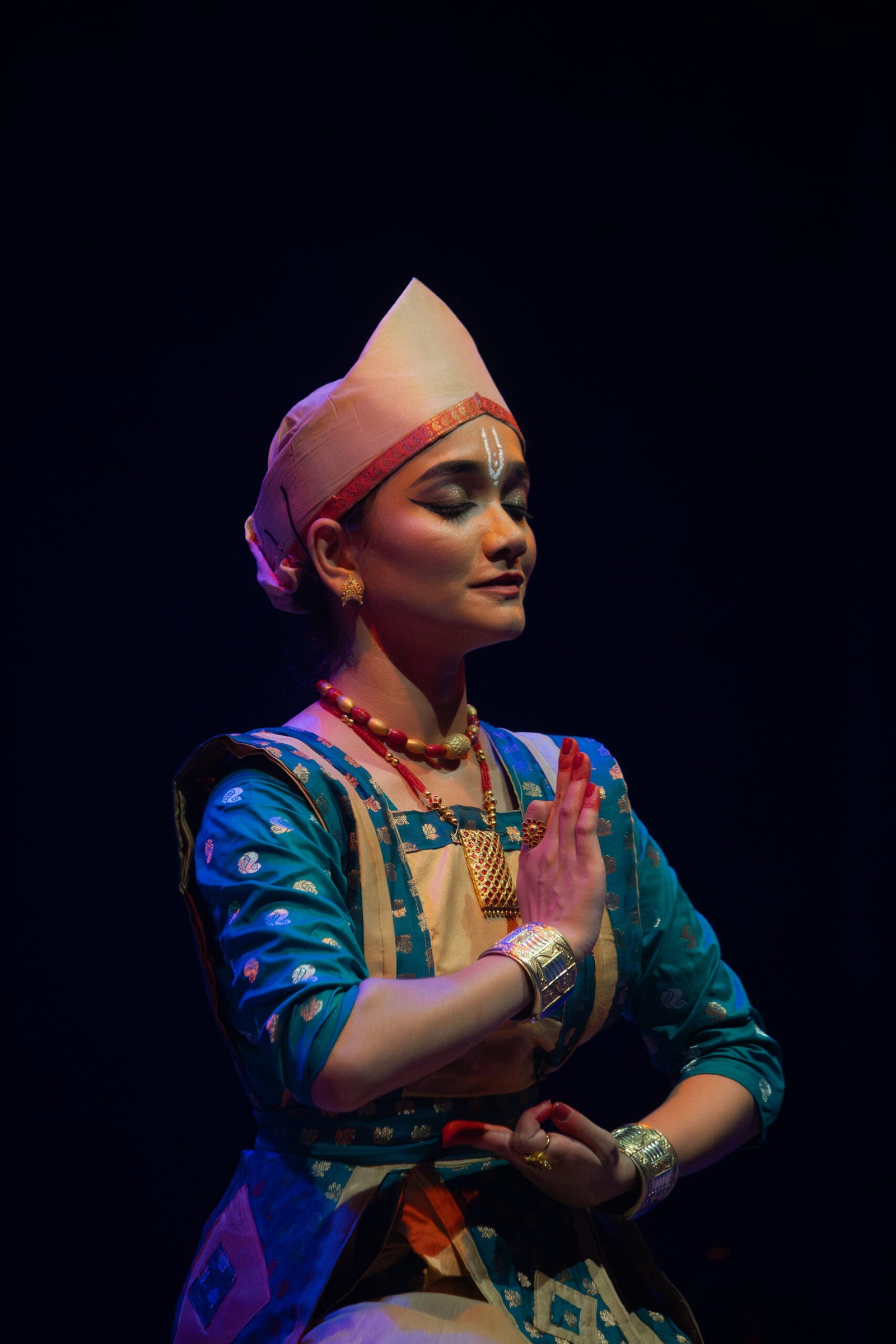
Textile, ornament and characterThe visual identity of Sattriya
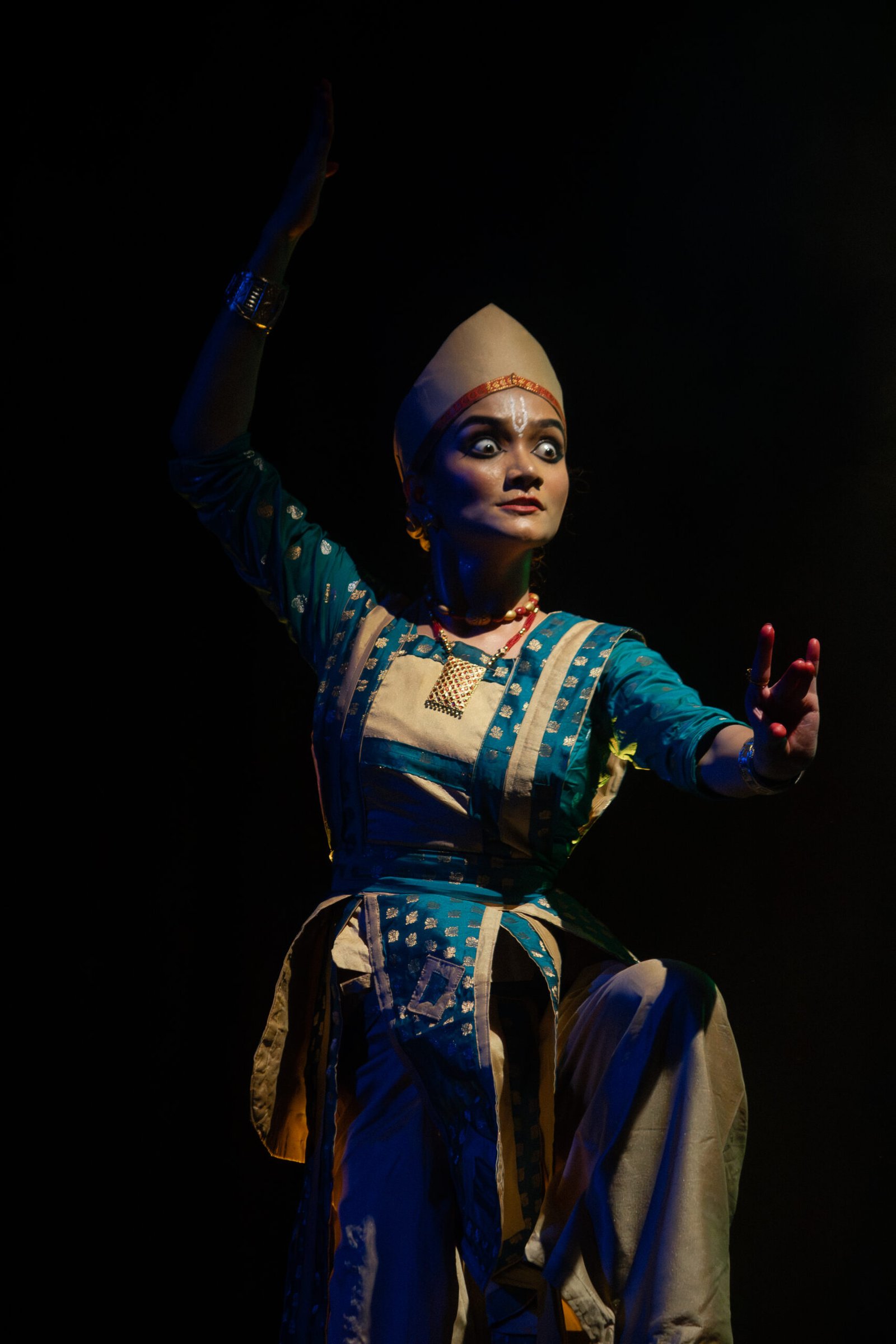
Rhythm leads movementKhol · Taal · Voice
Music and Instruments
Movement carried by rhythm, melody and sacred verse.
Sattriya is inseparable from its musical tradition. The khol shapes rhythmic architecture, cymbals reinforce the pulse, and vocal music guides the narrative and emotional atmosphere.
- KHOLPrincipal percussion instrument and rhythmic foundation.
- TAALCymbals that articulate rhythmic cycles.
- VOICEDevotional singing connects movement to text.
Hand Gestures and Expressions
Meaning expressed through the whole body.
Hand gestures, gaze, face, torso and stance work together to create meaning. Abhinaya allows a dancer to communicate character, emotion and story through controlled expression.
Students learn gestures as integrated technique so rhythm, movement and emotional intention remain connected.
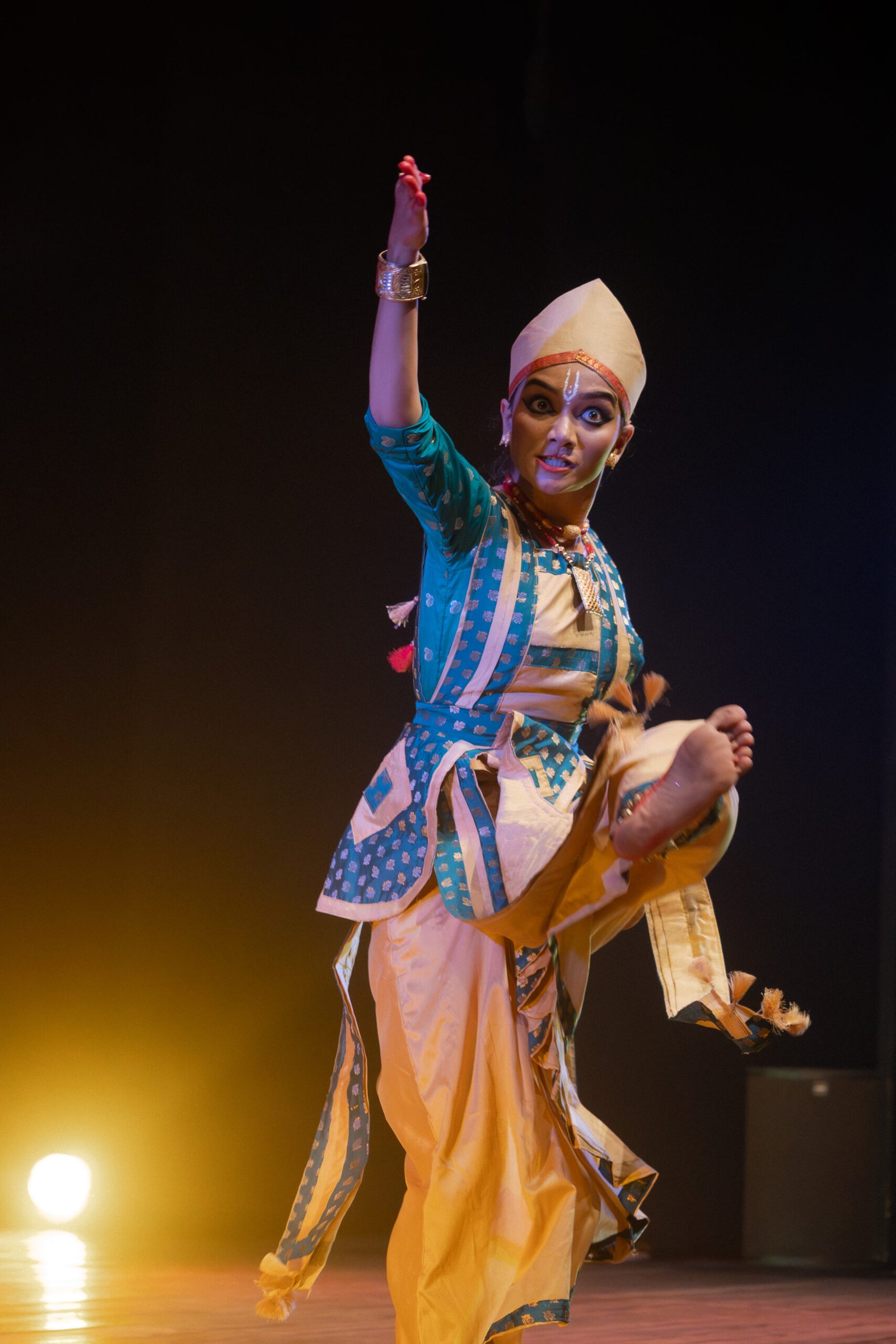
The body becomes languageHasta · Drishti · Abhinaya
A Small Vocabulary
Words that open the form.
These terms offer a useful beginning for new learners and audiences.
Foundational exercises for the dancer’s body and control.
A devotional theatrical tradition.
The art of expression in performance.
Cultural Significance
A tradition that carries Assam’s memory forward.
Sattriya holds interconnected traditions of dance, music, theatre, literature, textile, devotion and community practice. It preserves historical identity while finding new teachers, performers and audiences.
For students, it offers discipline, physical awareness, musical sensitivity and access to a layered artistic vocabulary.
Preservation
Safeguarding repertoire, technique, music and knowledge through practice.
Transmission
Connecting teachers and learners across generations.
Living Identity
Keeping Assam’s cultural expression visible and shared.
Learn with AMAYAA
Experience Sattriya through guided practice.
Connect with AMAYAA for classes, workshops, educational programmes and performance enquiries in Guwahati.
Enquire About Classes